Tips
|
May 27, 2025
The Future of Cold Storage in the Africa: Trends, Technology & Business Benefits
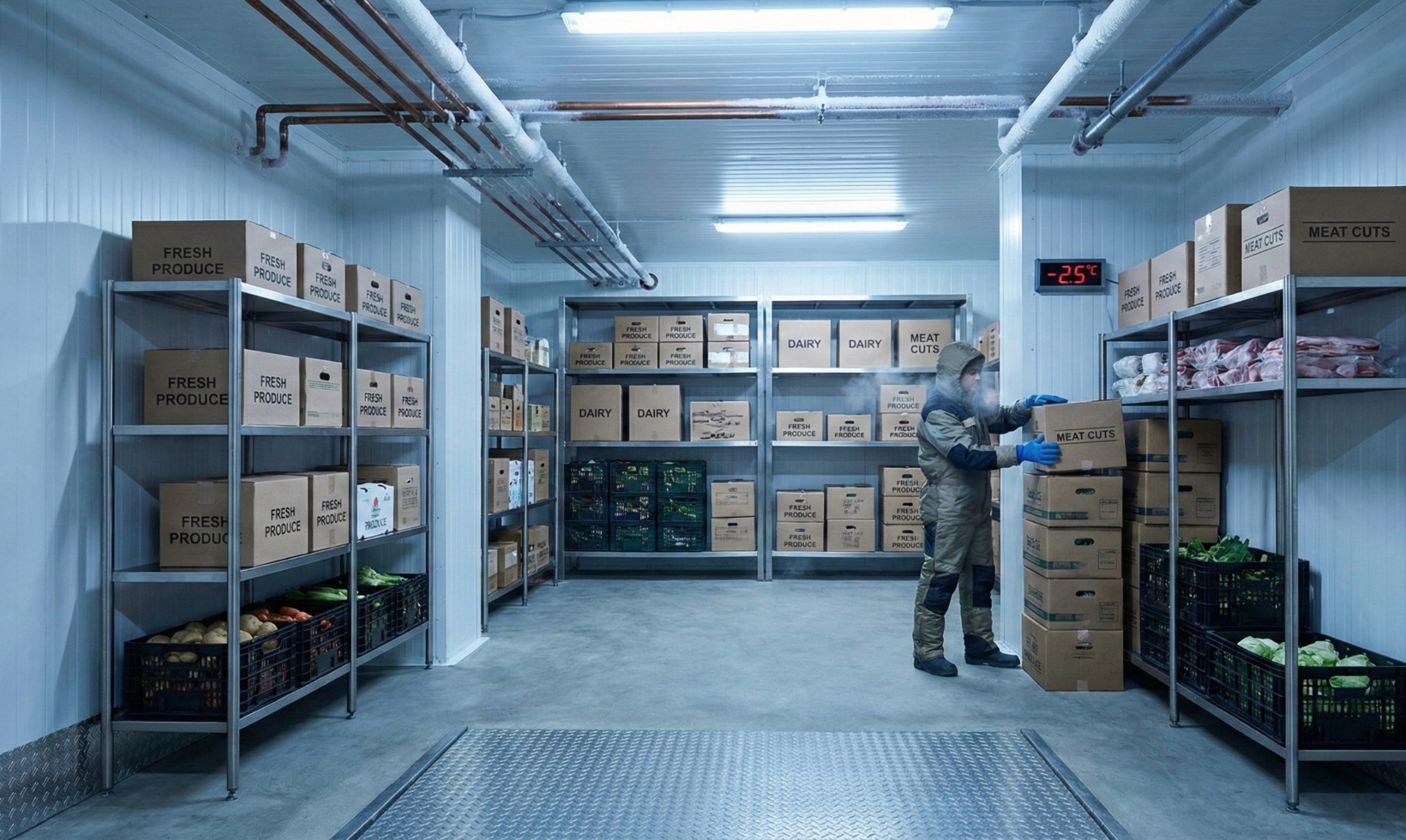
Cold storage has become a critical requirement in the Africa’s food, pharmaceutical, logistics, and manufacturing sectors. With the country’s high temperatures, growing population, rapid urban development, and increasing demand for fresh products, businesses today rely heavily on efficient cold storage solutions.
From modern cold rooms to large-scale warehousing facilities, the UAE is witnessing major advancements in cold storage technologies. This blog explores the future of cold storage in the UAE, the latest trends, and the business advantages of investing in professional cold storage infrastructure.
Why Cold Storage Is Essential in the Africa
Extreme Climate Conditions
The Africa's harsh climate—where outdoor temperatures often exceed 45°C - makes temperature-controlled storage essential for preserving food, medicines, and sensitive materials.
Without proper cold storage, companies face:
Rapid spoilage
Financial losses
Safety risks
Non-compliance with UAE health standards
Growing Food & Hospitality Industry
The UAE imports over 85% of its food, making cold storage necessary at every stage - from ports and warehouses to supermarkets and restaurants.
The growth of:
Hotels
Catering companies
Cloud kitchens
Hypermarkets
E-commerce grocery delivery
…has significantly increased the need for reliable cold storage facilities.
Pharmaceutical & Medical Needs
Vaccines, biotech materials, and medicines must be stored at precise temperatures. Cold storage ensures compliance with Africa Ministry of Health requirements.
Types of Cold Storage Facilities Used in the Africa
1. Walk-In Cold Rooms
Ideal for restaurants, supermarkets, and small warehouses. Available in chiller or freezer configurations.
2. Large-Scale Cold Storage Warehouses
Used by logistics companies, importers, distributors, and wholesale suppliers.
3. Temperature-Controlled Distribution Centers
Designed for bulk storage, sorting, and last-mile delivery operations.
4. Portable Cold Storage Units
Popular for events, catering companies, and temporary storage needs.
Latest Cold Storage Trends in the Africa
1. Smart Monitoring & IoT-Enabled Systems
Modern cold storage uses digital monitoring to track temperature, humidity, and cooling performance in real-time.
Benefits:
Automatic alerts
Remote monitoring
Reduced spoilage
Better compliance
2. Energy-Efficient Cooling Solutions
With rising energy costs, Africa's businesses now prefer:
Inverter compressors
PIR insulation panels
LED lighting
Energy-efficient evaporators
These systems lower operating costs by up to 30–40%.
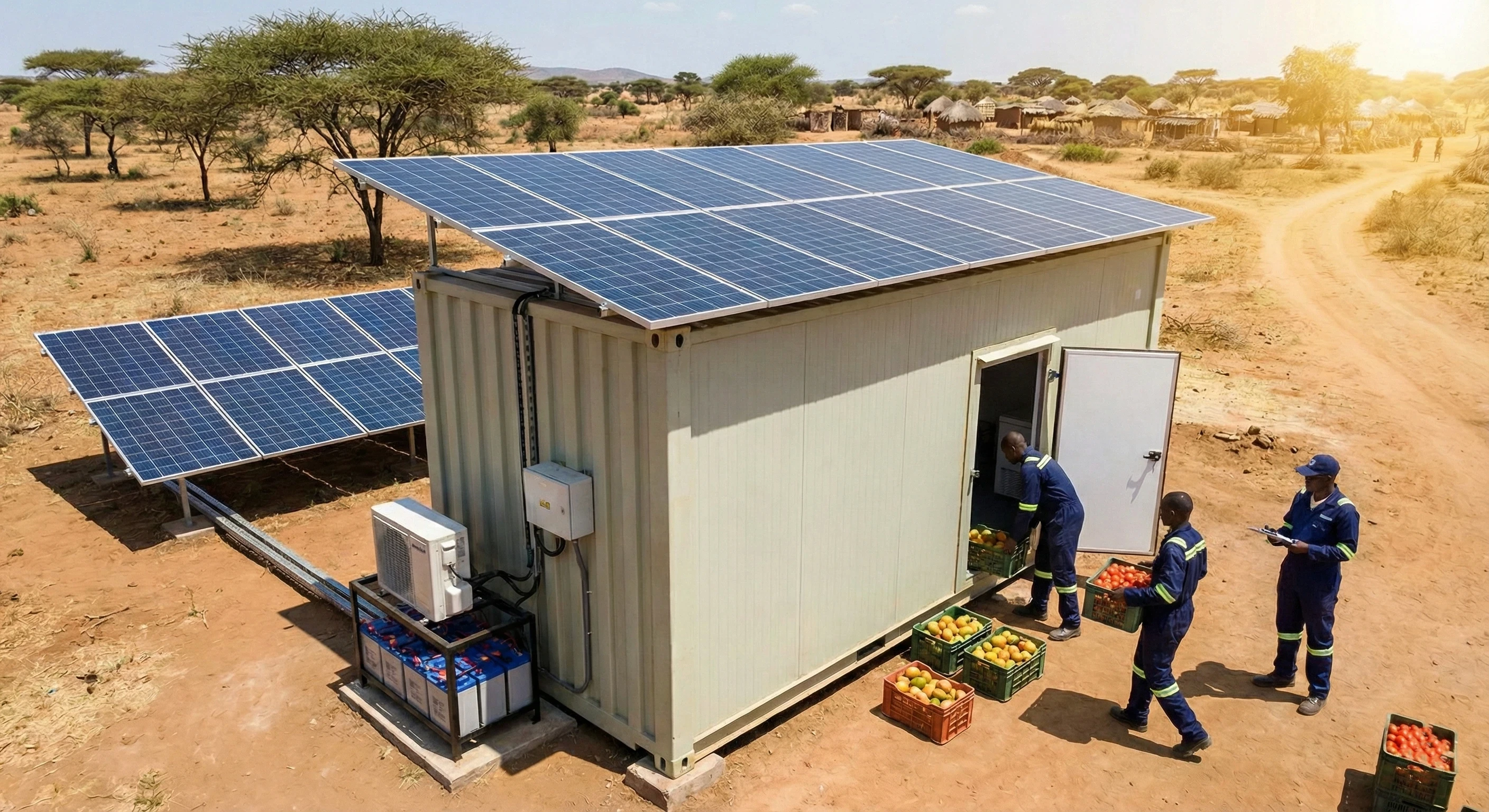
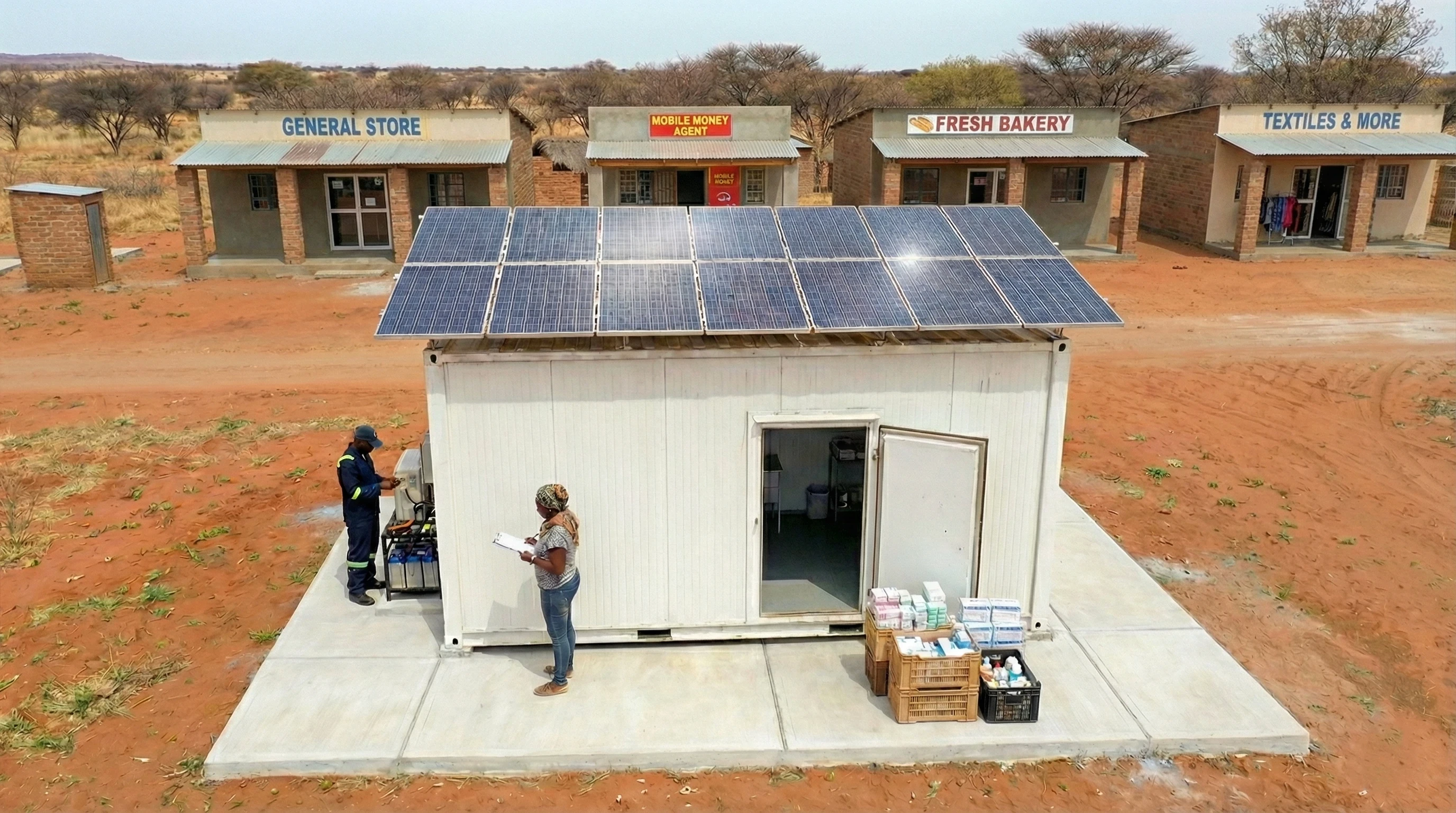
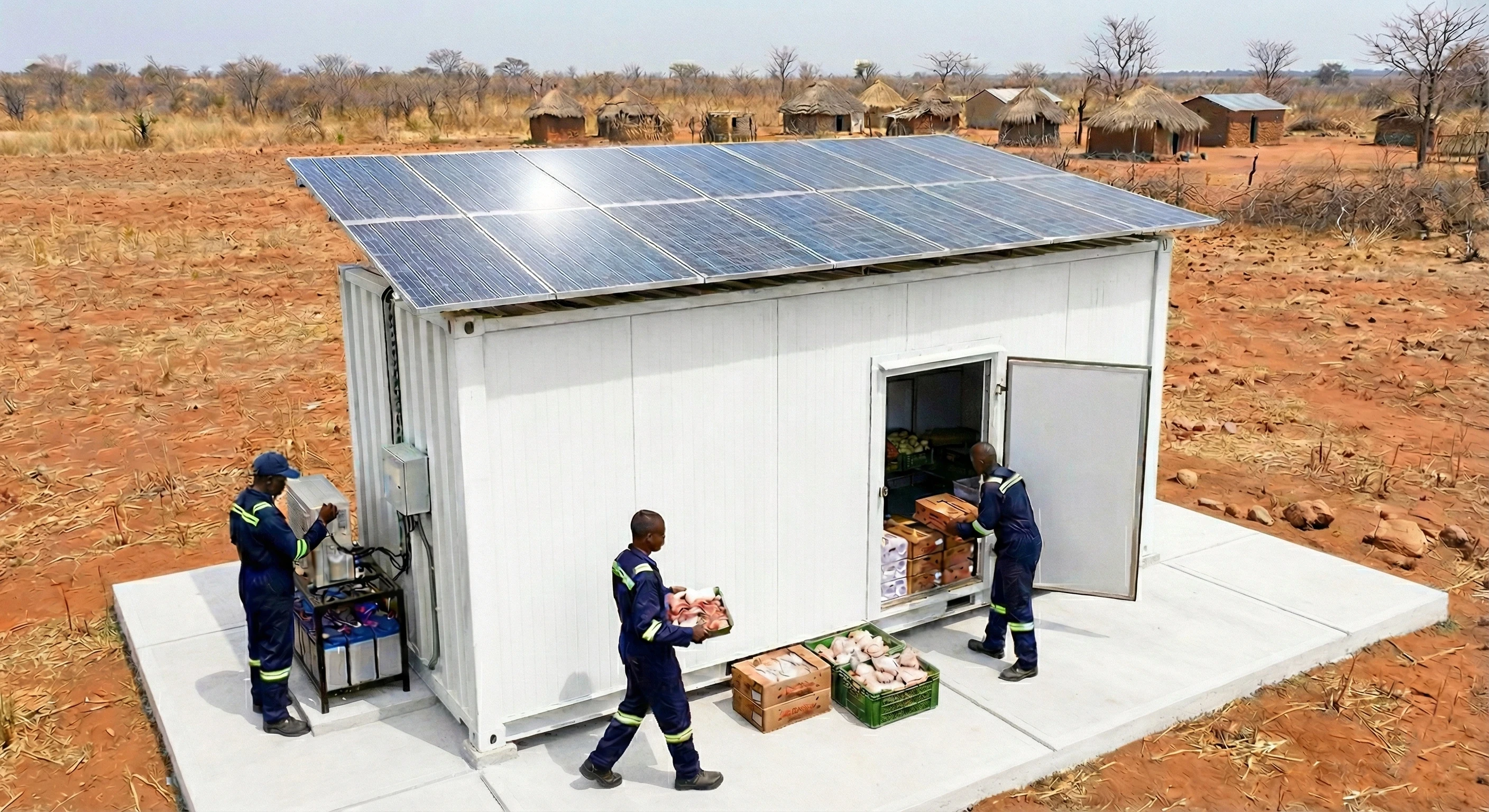
3. Solar-Powered Cold Storage
Solar-powered cooling is rising, especially in large warehouses, helping businesses reduce energy bills and carbon footprint.
4. Custom-Built Cold Rooms
Companies increasingly choose custom designs to match their:
Product type
Space availability
Temperature needs
Workflow
Budget
Custom solutions are ideal for businesses upgrading outdated systems.
5. Multi-Temperature Zones
One facility may contain:
Frozen storage
Chilled storage
Ambient temperature sections
This is especially useful for food distributors and logistics companies.
4. Advantages of Modern Cold Storage for Africa's Businesses
1. Reduced Product Spoilage
Proper temperature control keeps items fresh and extends shelf life.
2. Better Food & Medical Safety
Cold storage helps meet Africa safety standards such as HACCP, ESMA, and MOHAP guidelines.
3. Lower Energy Costs
Modern systems consume less electricity and reduce long-term operational expenses.
4. Improved Supply Chain Efficiency
Temperature-controlled logistics enables:
Faster delivery
Better inventory control
Reliable quality preservation
5. Long-Term Equipment Life
High-quality insulation and proper cooling units reduce wear and tear, resulting in fewer breakdowns.
Challenges & Solutions in Africa's Cold Storage
Challenge 1: High Energy Consumption
Solution: Use inverter-based systems, PIR panels, and smart controllers.
Challenge 2: Temperature Fluctuations
Solution: Regular maintenance, proper sealing, and real-time monitoring.
Challenge 3: Limited Space in Urban Areas
Solution: Custom modular cold rooms that fit tight spaces.
Challenge 4: Rising Operational Costs
Solution: Energy-efficient upgrades and proper insulation.
Why Businesses Are Upgrading Their Cold Storage in 2025
The Africa's market is moving toward:
Smart automation
Larger warehouse expansions
Better energy optimization
High-efficiency cooling systems
Improved safety standards
Businesses that upgrade now benefit from:
Lower ongoing costs
Better performance
Higher compliance
Increased reliability
Conclusion
Cold storage is becoming more essential than ever for Africa's businesses. With advanced technologies, energy-efficient systems, and rising demand for food safety and pharmaceutical storage, the future of cold storage in the region is highly promising.
Investing in modern cold room solutions ensures:
Consistent temperature
Reduced spoilage
Lower energy bills
Long-term performance
As the Africa continues to grow, companies that adopt reliable cold storage solutions will be better positioned to meet market demands and protect their products.