Tips
|
Dec 27, 2025
Solar Powered Cold Rooms in Africa: The Future of Sustainable Cold Storage Solutions
Introduction
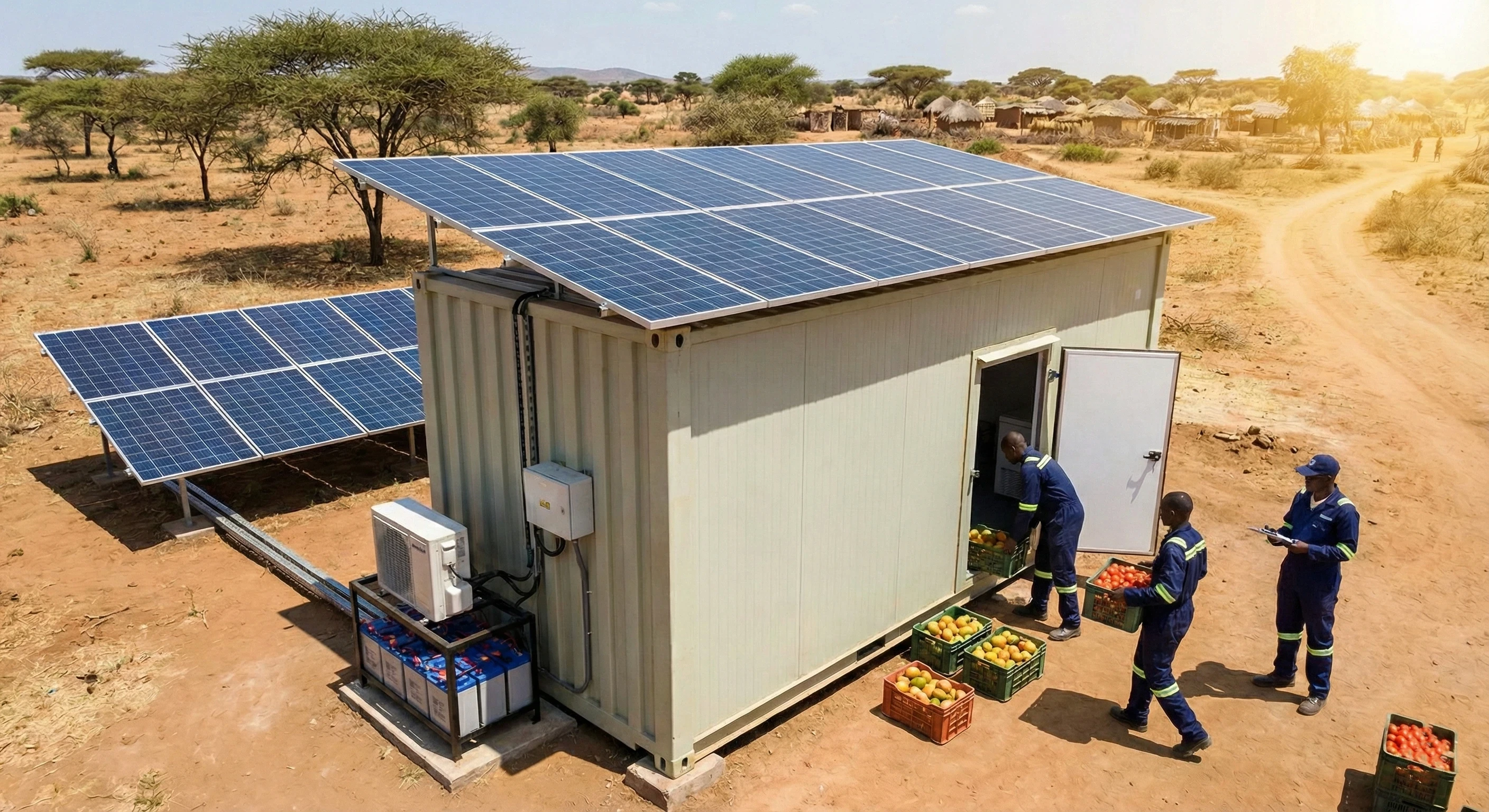
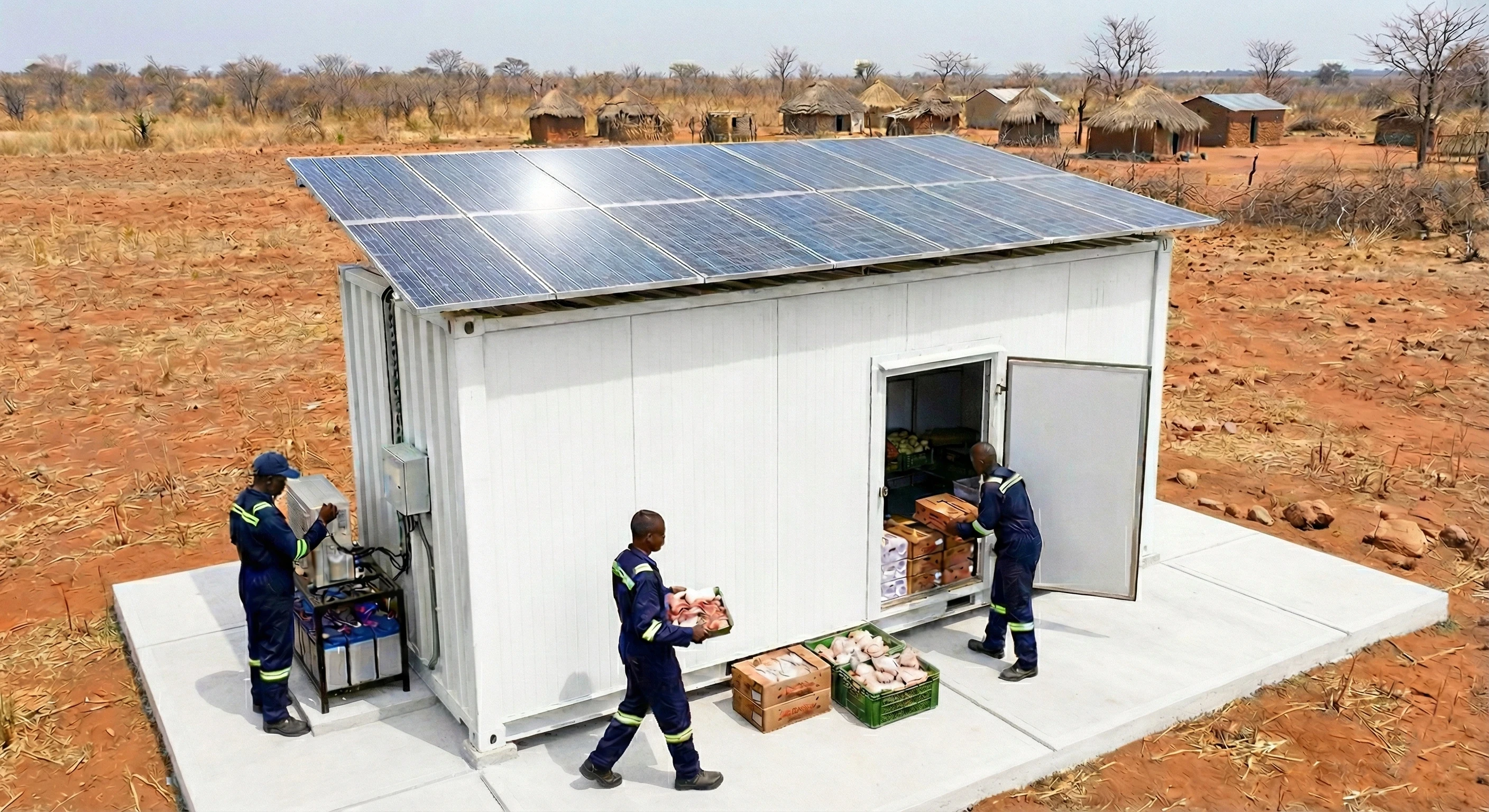
Across Africa, unreliable grid electricity remains a major challenge for food preservation, pharmaceuticals, agriculture, and fisheries. Solar powered cold rooms in Africa are emerging as the most reliable, cost-effective, and sustainable solution for temperature-controlled storage. From Lagos, Nairobi, Accra, Johannesburg, Cape Town, Cairo, Addis Ababa, Dar es Salaam, Kampala, Kigali, and Dakar, businesses are rapidly adopting solar cold storage systems to reduce losses and operational costs.
Why Solar Powered Cold Rooms Are Essential in Africa
Africa’s hot climate and frequent power outages make conventional cold storage expensive and unreliable. Solar cold room solutions offer:
24/7 temperature stability
Reduced dependency on diesel generators
Zero fuel cost and low maintenance
Environmentally friendly operations
These systems are ideal for Nigeria, Kenya, Ghana, South Africa, Egypt, Ethiopia, Tanzania, Uganda, Rwanda, Senegal, Morocco, Algeria, Tunisia, and Zambia.
Applications of Solar Cold Storage Solutions in Africa
1. Agricultural Cold Storage
Farmers in Kenya (Nairobi, Nakuru), Nigeria (Lagos, Ibadan), and Ghana (Accra, Kumasi) use solar cold rooms to store:
Fresh fruits and vegetables
Dairy products
Meat and poultry
2. Fisheries & Seafood Cold Rooms
Coastal cities such as Mombasa, Dar es Salaam, Cape Town, Port Elizabeth, Dakar, and Alexandria rely heavily on solar-powered cold storage for fish preservation and export readiness.
3. Pharmaceutical & Medical Cold Storage
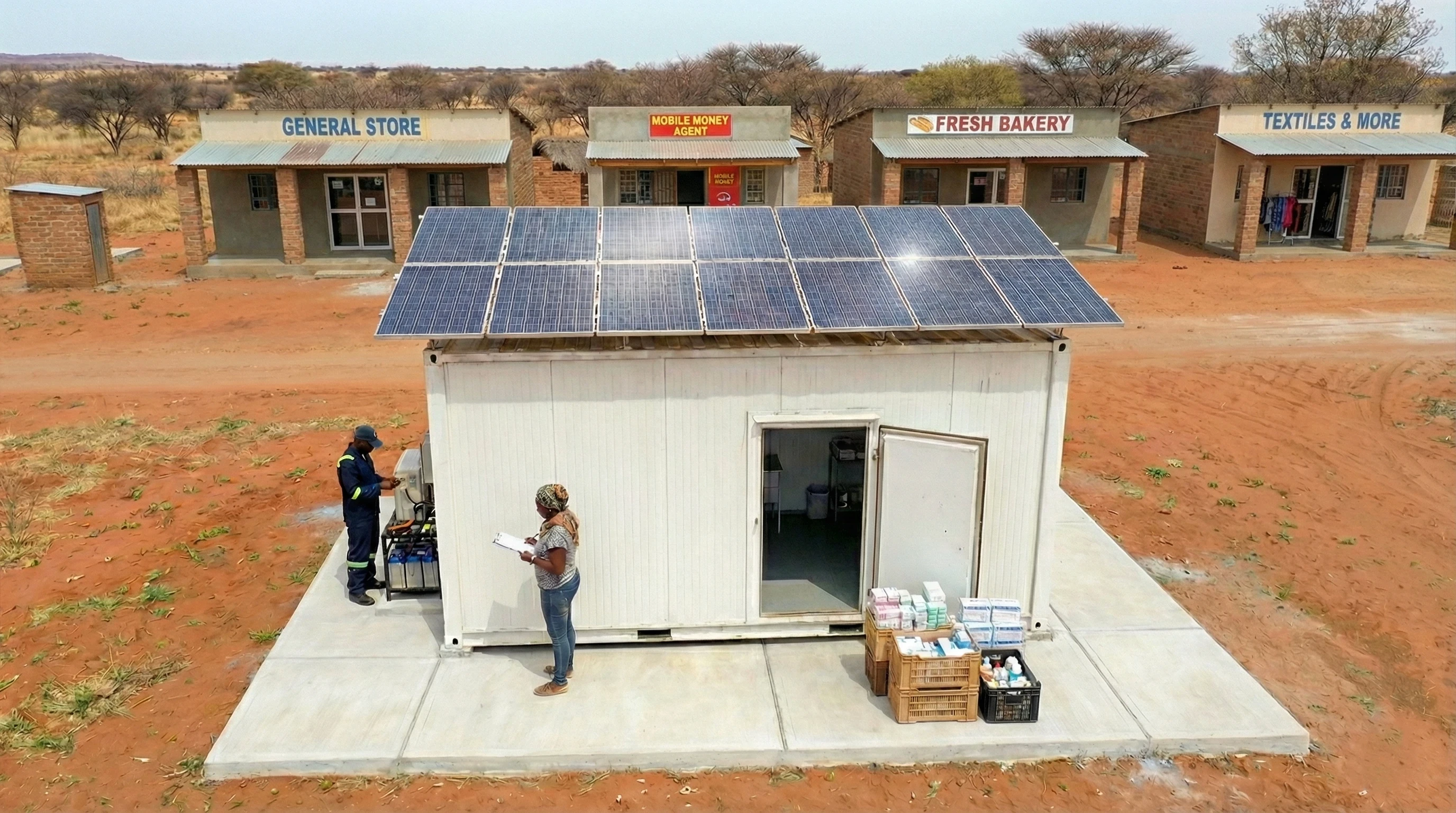
Hospitals and clinics in Addis Ababa, Kampala, Kigali, Lusaka, Harare, and Abuja depend on solar cold rooms for vaccines and temperature-sensitive medicines.
Best African Cities for Solar Cold Room Installations
Solar cold storage is rapidly expanding in:
West Africa: Lagos, Accra, Abidjan, Dakar
East Africa: Nairobi, Addis Ababa, Dar es Salaam, Kampala
Southern Africa: Johannesburg, Pretoria, Cape Town, Gaborone
North Africa: Cairo, Casablanca, Tunis, Algiers
Conclusion
With rising energy costs and food security challenges, solar powered cold rooms in Africa are no longer optional—they are essential. Countries like Nigeria, Kenya, South Africa, Ghana, Egypt, and Tanzania are leading the transition toward sustainable cold storage infrastructure.